
Rethinking the Way Chattanooga Lives: Single-Level Homes Starting at $199K
The shift toward single-level living
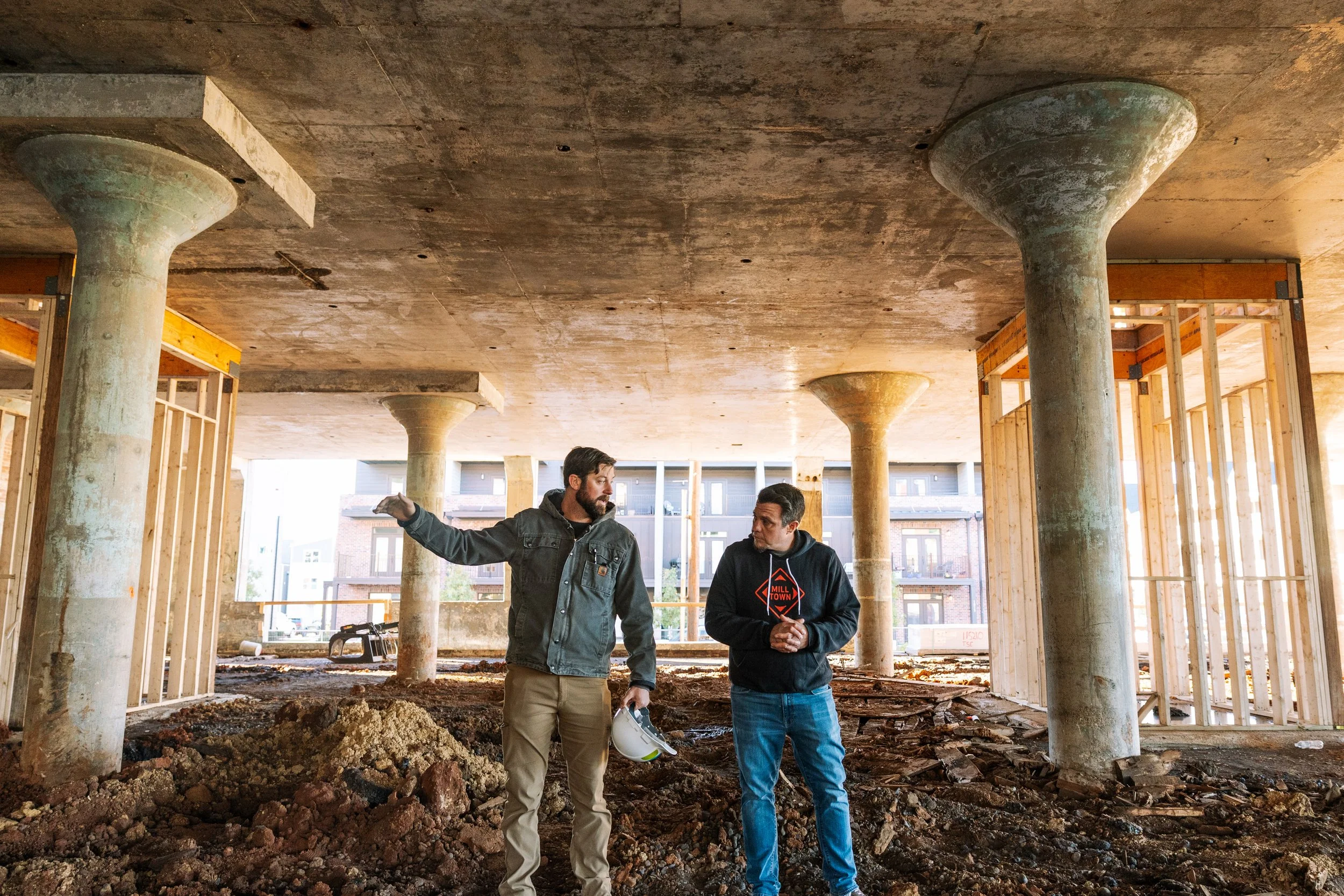
Ethan Collier was building homes the way most of Chattanooga was building them.
Two stories. Sometimes three. Efficient layouts that made sense for the market and matched what buyers expected to see. It was the standard approach, especially as demand around downtown continued to grow.
Then his dad was diagnosed with ALS.
“When my dad was diagnosed, he was living in a two-story home,” Collier says. “And almost overnight, everything about that house became difficult. The stairs, the layout, even just moving from one room to another.”
What had once been a comfortable home quickly became a daily obstacle.
“We started looking for single-level options nearby, and there just weren’t many,” he says. “That’s when it really hit me. There are so many families in that position, and there just aren’t enough homes built for it.”
That experience stayed with him. Not as a single moment, but as a shift in how he thought about building.
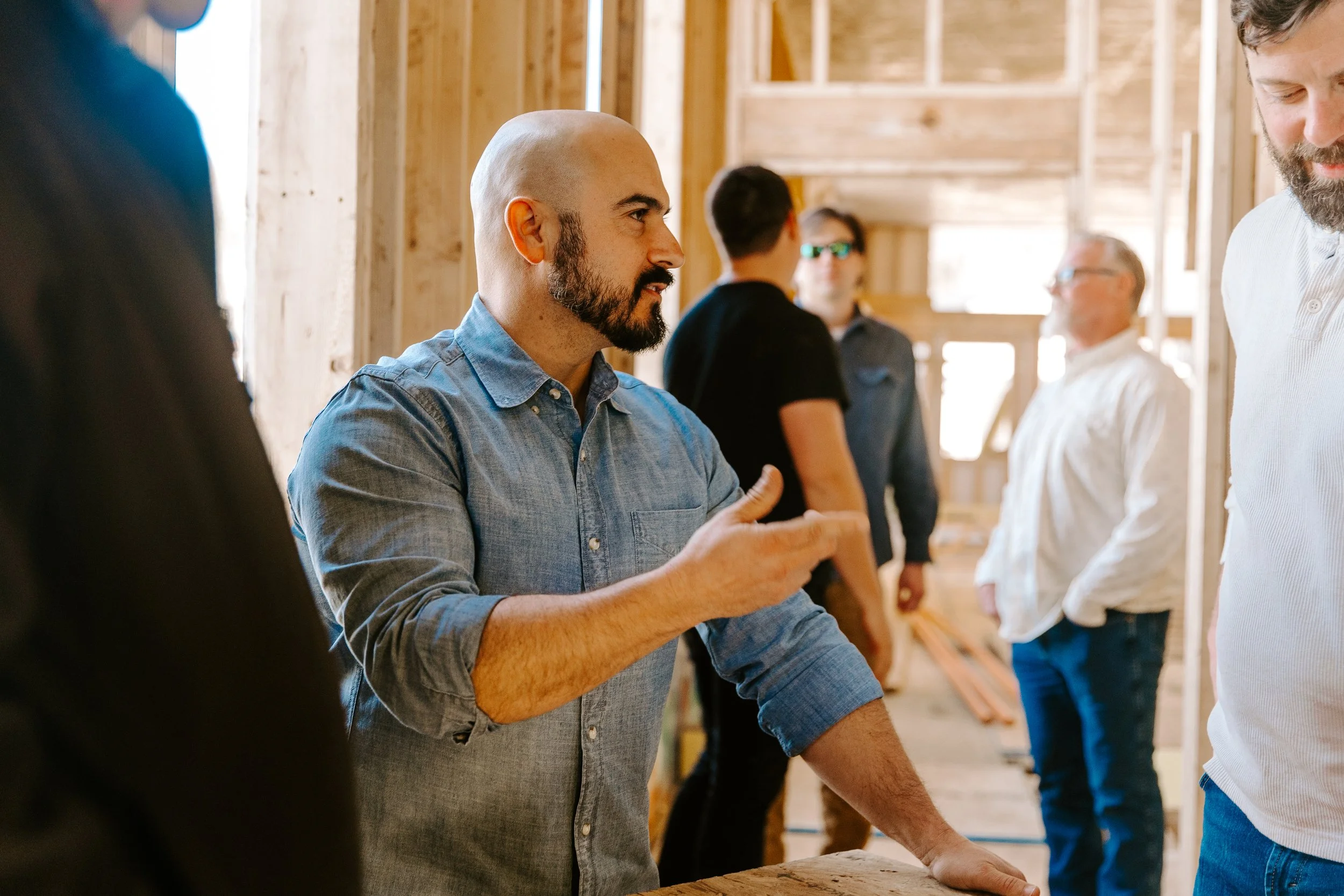
At the time, Chattanooga’s growth was pushing construction in a clear direction. More density. More vertical living. Townhomes and multi-level homes became the solution for building close to the city while keeping up with demand.
It worked well for the market.
But it did not always work for real life.
Buyers were choosing homes based on what they needed in the moment. Location, price, design. What often went unconsidered was how that same home would function years later.
“We’ve seen that people don’t think about long-term livability until something changes,” Collier says. “An injury, a diagnosis, a new stage of life. And when that happens, the options feel limited.”
That gap is something Chris Todd sees every day.
“There’s a lot of inventory out there,” says Todd, owner of Rogue Real Estate Company. “But when someone comes in specifically looking for a single-level home near downtown, there’s just not much to show them. It’s something buyers are actively asking for.”
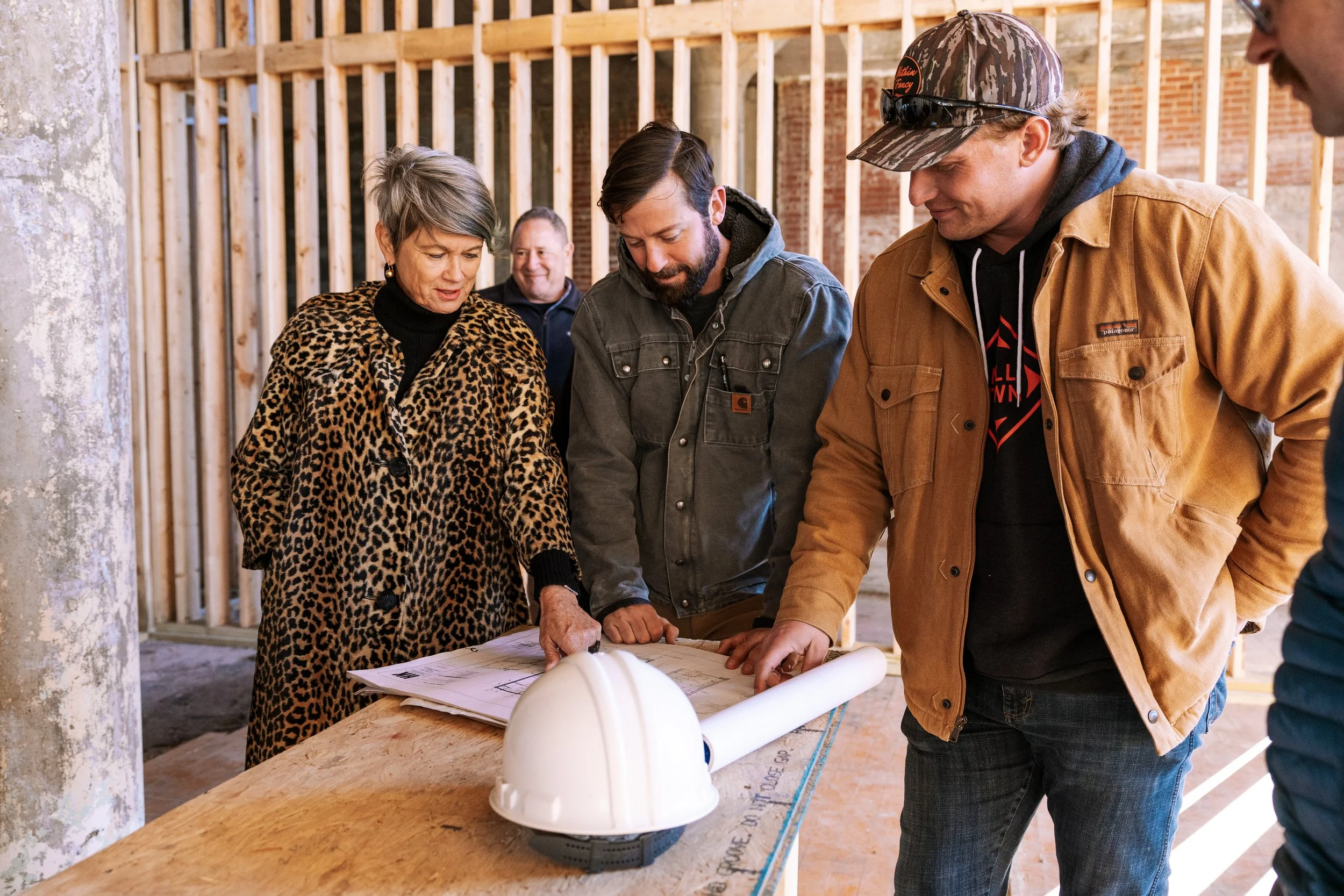
The demand is there. The supply has not caught up.
For Collier Construction, the response was not to slightly adjust what was already being built. It was to rethink it entirely.
Single-level living became a focus. Not as a niche product, but as a better way to build.
Homes without stairs. Layouts that feel natural. Spaces that are easier to move through, easier to maintain, and easier to live in over time.
“Single-level living is not just about accessibility,” Collier says. “It’s about giving people a home that works for them in every season of life. Whether that is raising kids, recovering from something unexpected, or simply wanting something more convenient day to day.”
That thinking carries through the design itself.
“When you walk through one of these homes, you can feel the difference right away,” says Ernie Friestat, vice president at Collier Construction. “The layout just works. Everything flows the way you expect it to.”
There is a simplicity to it, but it is intentional.
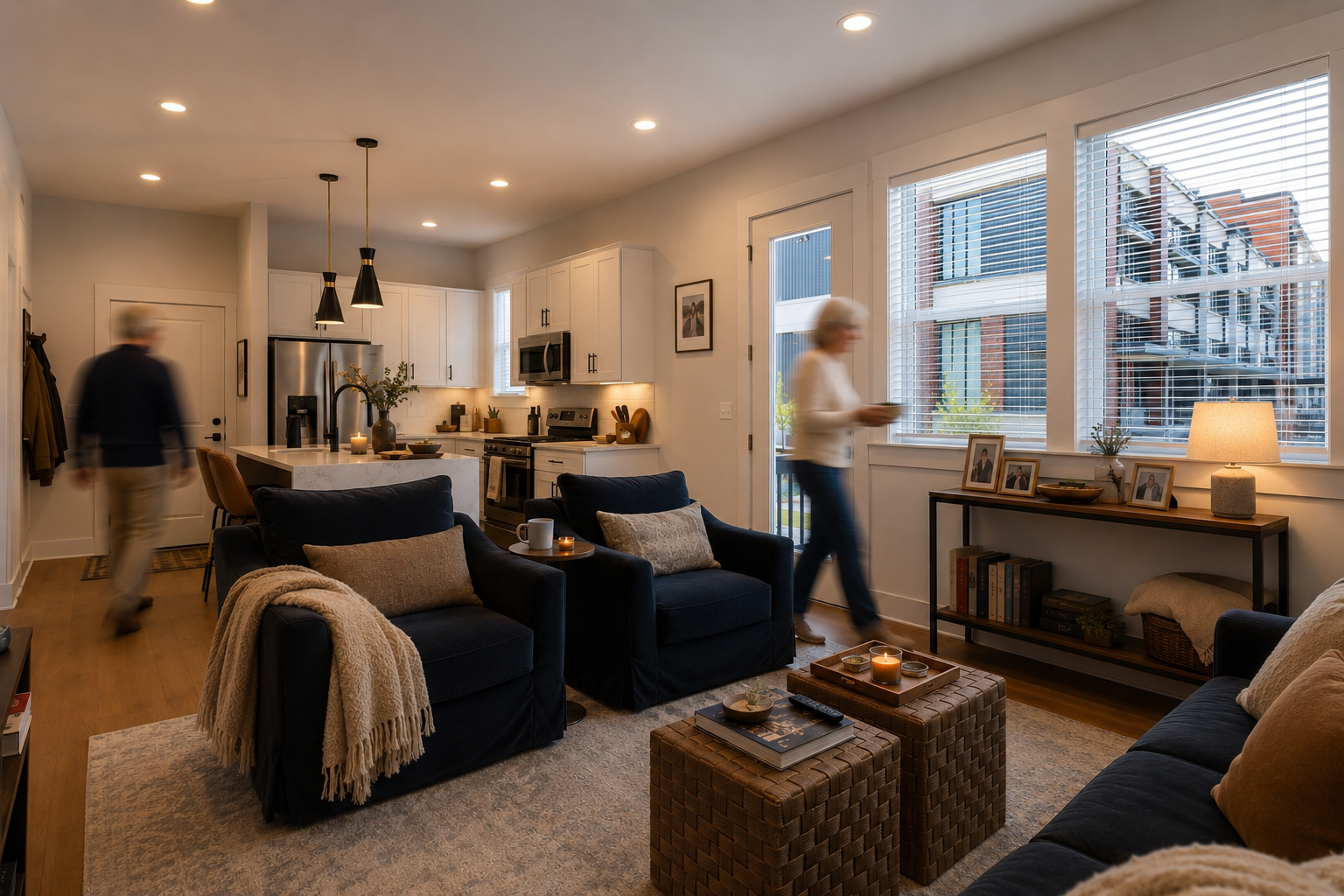
“As a builder, you always take pride in what you build,” Friestat says. “But these feel different because they solve real problems. It is not just about how they look. It is about how they function every single day.”
What is also changing is who these homes are for.
Single-level living is no longer tied to one stage of life.
It is showing up in different ways for different buyers. Someone relocating to Chattanooga for a job in healthcare or education. A homeowner looking to simplify after years in a larger space. A buyer thinking ahead about what they will need, not just today, but ten years from now.
There is also a growing number of people looking at these homes from an investment perspective. Properties that are easier to maintain and easier to live in tend to hold long-term value. They can serve multiple purposes over time, whether that is personal use, rental income, or both.
It is a different way of thinking about a home.
Not just as a purchase, but as something that can adapt.
For Collier, that idea goes back to where it started.
“When you have seen firsthand how much a home can impact someone’s life, it changes how you think about building,” he says. “You start asking different questions. Not just what will sell, but what will actually work for people.”
Chattanooga will continue to grow. New homes will continue to be built.
But within that growth, there is a shift happening. One that is less about building more, and more about building better.
Homes that do not just meet the moment, but hold up over time.
To learn more about single-level homes and current opportunities, visit collierbuild.com, call 423.719.4374, or email connect@collierbuild.com.
